
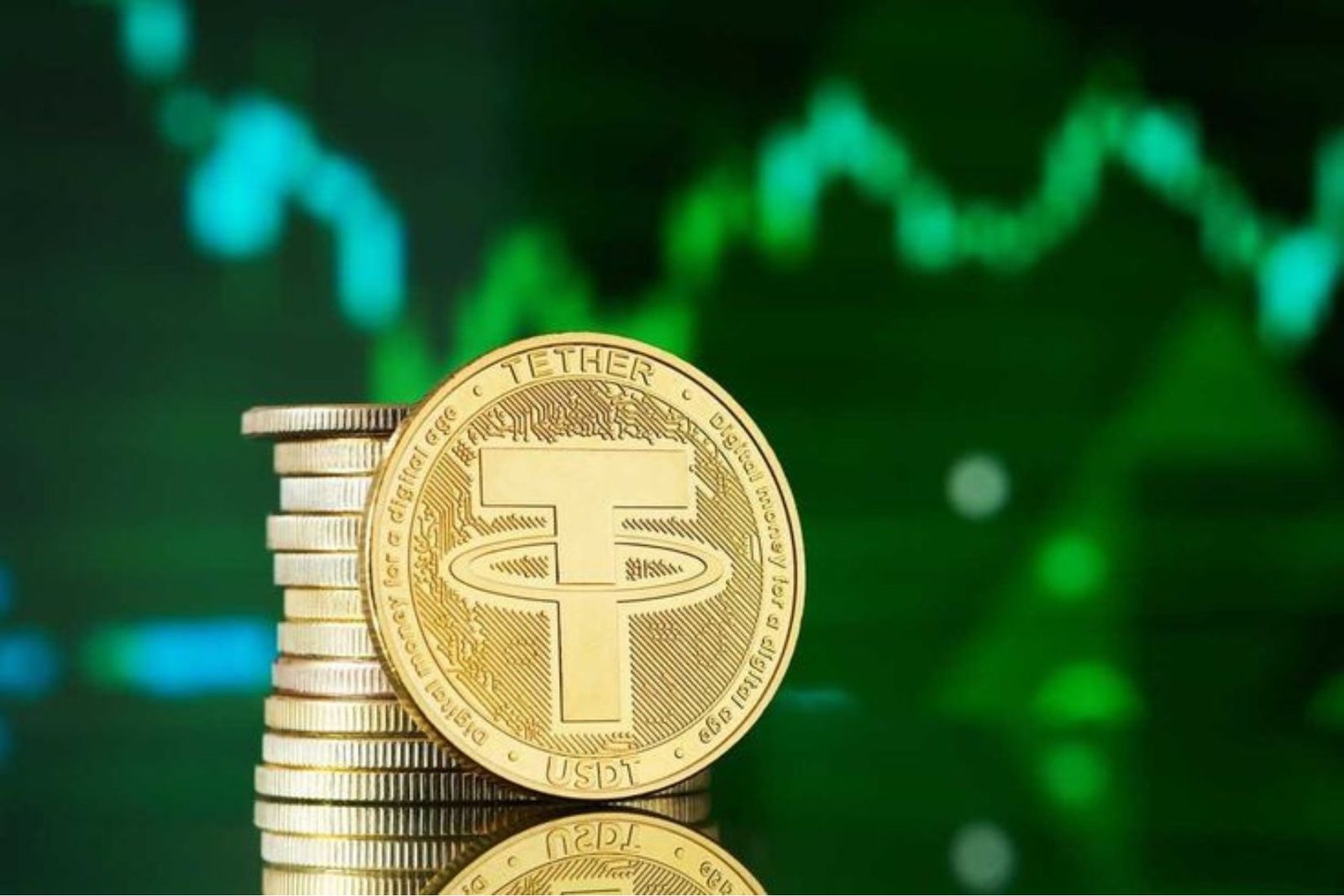
Recent years have seen increased interest from entities within the blockchain and crypto asset space to pursue diversification beyond core digital asset operations. However, such moves are often misunderstood, with expectations ranging from speculative hype to fears of overextension. The integration of crypto firms into physical and cultural assets marks a strategic shift reflecting broader trends in corporate treasury management and ecosystem expansion. In this context, Tether’s bid for an established football club represents a noteworthy instance of crypto asset corporate diversification, illustrating how firms with substantial balance sheets are branching into conventional industries.
Chronology and context of Tether’s Juventus acquisition bid within the crypto asset diversification trend

On December 2025, Tether, the company known primarily for its USDT stablecoin, formally submitted a cash offer to acquire Exor’s controlling stake in Juventus Football Club. The target includes Exor’s 65.4% majority ownership of the Italian Serie A club with plans for a subsequent public tender offer to buy remaining minority shares on matching terms. This transaction is intended to be funded entirely from Tether’s own balance sheet without resorting to external financing, underscoring the company’s liquidity strength.
This bid aligns with a wider expansion trajectory by Tether over the recent year. Beyond the flagship stablecoin business operating primarily on blockchain networks like Ethereum and Tron, Tether has allocated substantial amounts into various traditional commodity sectors such as oil, cotton, and wheat trade finance, a total commitment valued at around $1.5 billion reported in late 2025. Concurrently, the firm has pursued projects involving digital asset adoption and data management across different regions, including a partnership aimed at African crypto integration and a health data initiative using blockchain technology.
Additional on-chain data confirms that USDT circulation surpassed $174 billion by September 2025, reflecting robust utility and adoption. Tether’s reserve holdings remain diversified, with significant allocations in gold (approx. $12.9 billion) and Bitcoin (approx. $9.9 billion), which further bolsters its balance sheet value—an asset base nearing $200 billion overall, providing considerable financial capacity for sizable acquisitions. This diversified reserve strategy, combined with high net profits reportedly exceeding $10 billion for the first three quarters of 2025, places Tether in a position to pursue sizeable non-crypto investments such as this football club acquisition.
Official rationale and stakeholder perspectives on the Juventus acquisition proposal

According to publicly available statements, Tether’s Chief Executive Officer Paolo Ardoino framed the bid as a decision grounded in long-term commitment rather than a pure financial calculation. Ardoino expressed a personal connection to Juventus, describing the club as symbolic of values such as resilience, commitment, and responsibility—qualities he associates with Tether’s corporate philosophy.
In his statements, Ardoino emphasized alignment between Juventus’s historic reputation for Italian excellence and Tether’s approach to ecosystem development built on patience, independence, and resilience. The €1 billion earmarked for club development under Tether ownership indicates intentions to invest in growth and operational continuity, highlighting a developmental strategy consistent with enterprise objectives.
These official positions suggest the acquisition attempt is rooted in a desire to extend corporate diversification while reinforcing brand image through association with global sports. The proposal remains subject to several formal steps including approval from Exor’s board, execution of definitive agreements, and clearance from applicable regulatory bodies. Tether also expressed intent to offer minority shareholders equitable treatment, extending the same financial terms in a follow-on public bid.
Regulatory, financial, and structural factors underpinning Tether’s diversification via Juventus acquisition

The context for Tether’s expansion into a high-profile sports asset is shaped by multiple structural factors. Regulatory environments governing crypto assets and corporate acquisitions have become stricter and more clearly defined across global jurisdictions, influencing timing and execution. In this deal, regulatory review will consider financial transparency, anti-money laundering compliance, and corporate governance standards applicable to a public football club listed on the Italian stock exchange.
From a business structure perspective, Tether’s large asset base and diversified reserves provide financial flexibility to engage in non-crypto investments without compromising liquidity or on-chain stability of its USDT stablecoin operations. This contrasts with earlier phases in the crypto industry where balance sheets were more tethered to digital asset price volatility, limiting such diversification.
Industry discussions observed on social platforms highlight that while some view the move as an innovative example of crypto and traditional asset blend, others caution about reputational and regulatory risks associated with crossing multiple sectors. Nevertheless, the transaction underscores a maturing stage where blockchain-based firms seek to embed themselves within established economic spheres through strategic asset acquisitions.
Observed market and ecosystem reactions following the announcement of Tether’s bid
The announcement triggered notable reactions across market segments related to both sports equity and crypto asset ecosystems. Juventus share trading experienced increased volume as investors priced in the potential acquisition, with equity prices showing moderate upward adjustments reflecting bid premiums. From the crypto ecosystem perspective, stablecoin trading volumes remained largely stable, indicating that the operational core of Tether’s blockchain services was unaffected in the immediate term.
No immediate changes were reported in on-chain USDT circulation or reserve movements tied directly to this transaction, consistent with Tether’s commitment to using its existing balance sheet resources. Exchange platforms and major DeFi protocols reported no abnormal network congestion or liquidation events linked to the news, suggesting limited systemic impact.
Potential areas of impact to monitor include cross-industry regulatory scrutiny and the evolving scope of corporate treasury management within crypto entities. These variables may influence future capital allocation decisions and ecosystem development, with implications for Layer 1 blockchain governance and broader CeFi operational models.